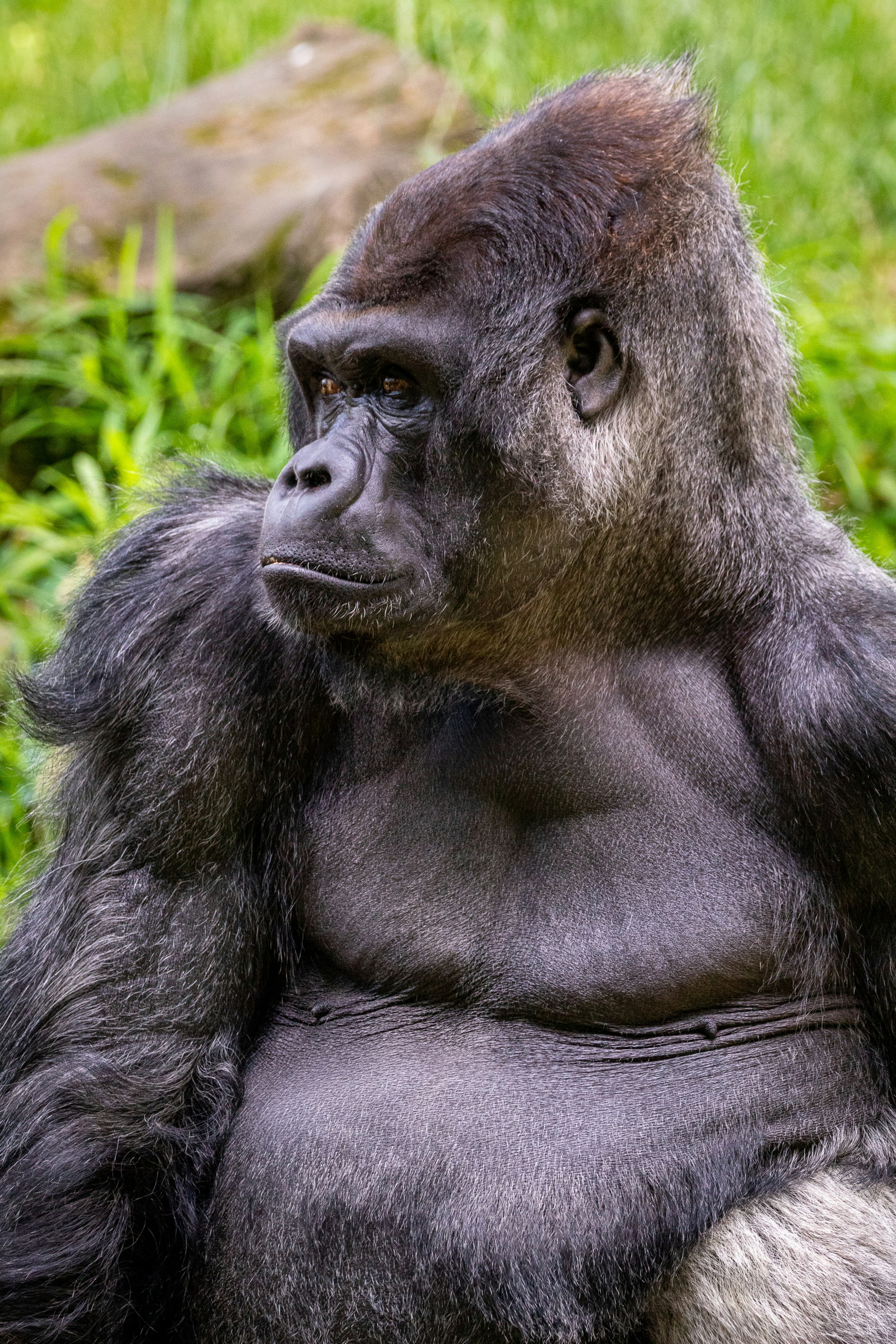
In the 1980s, mountain gorilla numbers had fallen to around 250 individuals. Habitat destruction, poaching, and disease had pushed the species to the edge. Today, the population has more than tripled — and tourism played a pivotal role.
**The Permit Fee Model**
Rwanda's $1,500 gorilla permit may seem steep, but it is one of the most direct conservation funding mechanisms in wildlife tourism. A significant portion goes directly to the Rwanda Development Board, which funds anti-poaching patrols, veterinary care, and habitat protection.
**Revenue Sharing with Communities**
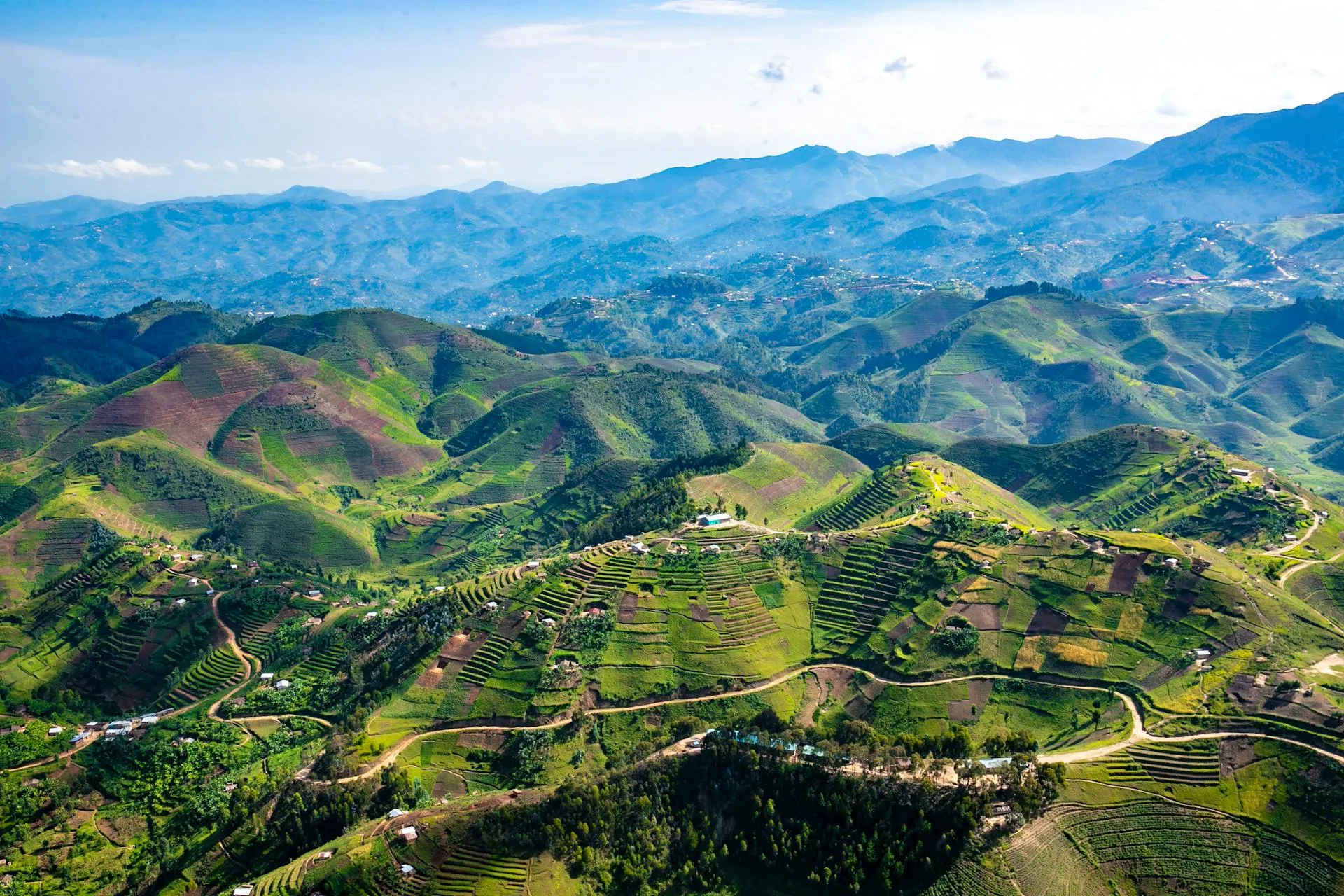
A portion of park revenues is shared with local communities around Volcanoes National Park. This revenue-sharing model is crucial — it gives people living alongside gorillas a direct financial incentive to protect them rather than compete with them for land.
**The Dian Fossey Effect**
The modern gorilla conservation movement began with Dian Fossey's pioneering research in the 1960s and 70s. Her work — and her death — brought international attention to the gorillas' plight. Today, the Dian Fossey Gorilla Fund continues her research and protection work.
**What You Can Do**
By choosing to trek with a responsible operator and paying the full permit fee, you are funding real conservation. At Gorillawise, we take this responsibility seriously — we partner with local guides and rangers, support community tourism initiatives, and follow strict gorilla-safe protocols on every trek.
Your visit matters. The gorillas are counting on it.